
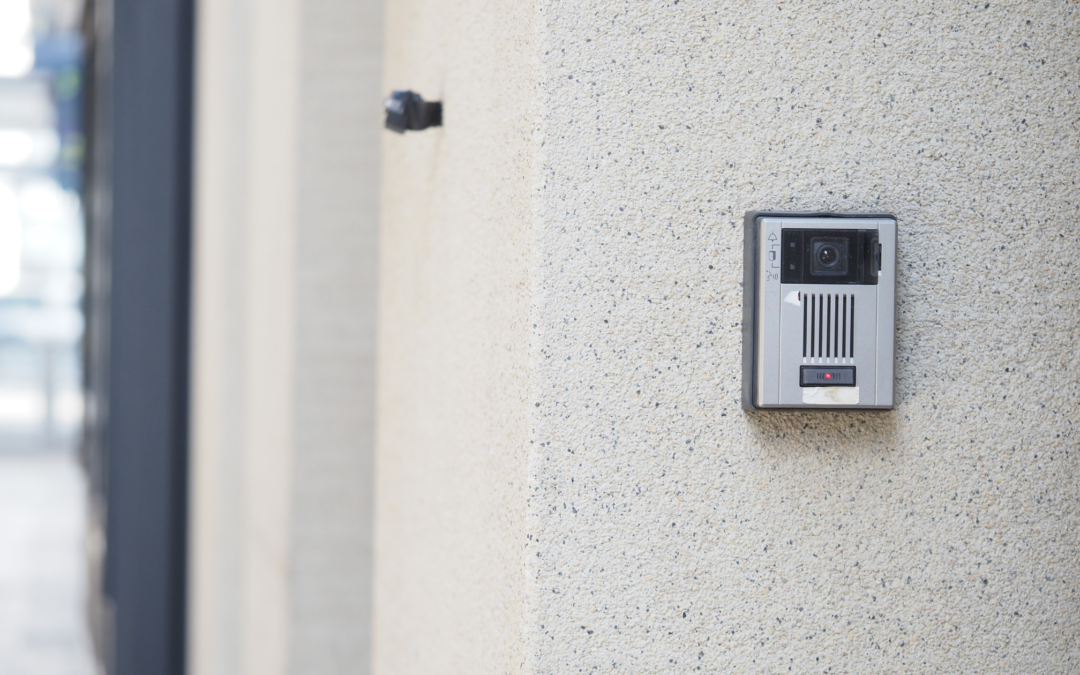
Intercom systems are one of those building features people rely on every day without thinking much about them until something stops working. A resident cannot hear the caller, the door release button no longer opens the entrance, or the exterior panel rings but nothing happens inside. When that happens, the intercom quickly becomes more than a convenience issue. It becomes a problem affecting access, security, and everyday routines.
For anyone looking for an intercom systems guide, the main questions are usually simple: how do these systems work, what normally goes wrong, and when is it better to repair a system rather than replace it? Metro Locks already offers intercom servicing, repairs, fault-finding, and new installations across London and Greater London, so this topic is a strong fit for both search intent and real customer enquiries.
What does an intercom system do?
At its simplest, an intercom system allows someone at an entrance to contact a flat, office, or internal unit and request access. Depending on the setup, the system may provide audio only, audio and video, or additional door entry functions linked to controlled access.
These systems are commonly used in apartment buildings, shared entrances, offices, and mixed-use properties. They help control who enters the building, make visitor access easier to manage, and add a layer of security that standard door hardware alone cannot provide.
For many buildings, the intercom is closely linked to the broader access control setup. That is why intercom issues sometimes overlap with door entry and access control faults rather than sitting in isolation.
Common intercom problems
One of the most common issues is loss of audio. The caller may press the button successfully, but the person inside cannot hear them, or the caller cannot hear the response. Video faults are also common on systems with cameras and screens, especially when the image cuts out, becomes distorted, or stops appearing altogether.
Another frequent problem is with the door release function. The call may come through correctly, but pressing the release button inside the flat or office does not unlock the entrance. In other cases, the reverse can happen and the door may remain open or release too easily, creating a security concern.
External call buttons can also fail. A visitor presses the right button, but the flat never rings. This may seem like a small fault at first, but for residents, businesses, and delivery access, it becomes a daily frustration very quickly.
Metro Locks already highlights these kinds of symptoms on its intercom page, which makes this blog especially useful as a support article. It helps users recognise their problem before they are ready to contact us.
Why diagnosis matters
Intercom problems are not always caused by the part of the system that seems faulty. A problem with sound may not be the handset itself. A door release problem may involve the locking mechanism, the internal release function, or another connected part of the system. That is why proper fault-finding matters.
Many people start by describing the issue in general terms, such as “the intercom is not working,” but the most useful starting point is the symptom. Is there no sound? No picture? No ring? Does the door not release? Is the door always open? The clearer the symptom, the easier it is to narrow down the likely cause.
This is one reason Metro Locks’ approach works well. The page already encourages customers to describe what the system is doing rather than worrying about naming the exact fault. That helps move the conversation from confusion to diagnosis much more quickly.
Repair or replace?
Not every faulty intercom needs to be replaced. In many cases, servicing or repair is enough to restore proper function, especially if the issue is isolated and the system is otherwise suitable for the building. For property managers and businesses, this can be the most cost-effective route if the existing setup still does what is needed.
However, there are situations where replacement or upgrade makes more sense. An older system may have recurring faults, limited functionality, or parts that are harder to source. A building’s needs may also have changed over time. For example, a property may now want better user control, more reliable entry management, or a system that works better for multiple occupants.
The right decision depends on the age of the system, the scale of the fault, and how well the current setup still suits the building.
Why brand knowledge helps
Intercom systems come in many brands and formats, and that can affect servicing and repair. Metro Locks lists brands such as Aiphone, BPT, Bticino, Comelit, Fermax, Paxton, Siedle, Videx, and others on its intercom page. For customers, that matters because the brand name can often help identify the system more quickly.
If the brand is not obvious, photos of the exterior panel or internal handset can still be useful. Customers do not need to diagnose the whole system themselves, but any identifying detail can help the repair process start more smoothly.
Final thoughts
An intercom system is a small part of a building’s security setup until it stops working. Then it affects access, communication, and day-to-day convenience almost immediately. The most helpful approach is to start with the symptoms, understand whether the issue is isolated or recurring, and then decide whether repair, servicing, or replacement is the smarter route.